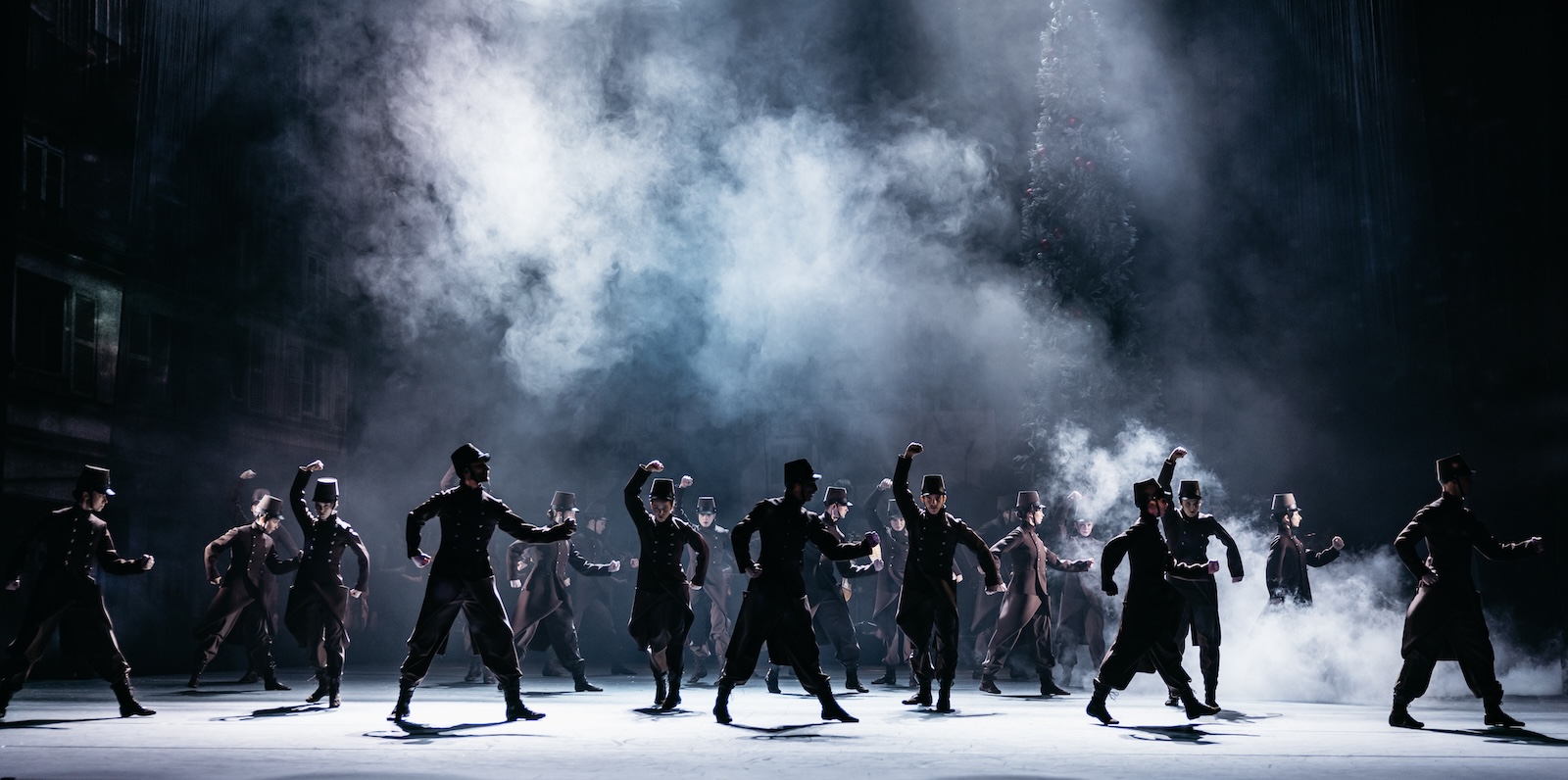
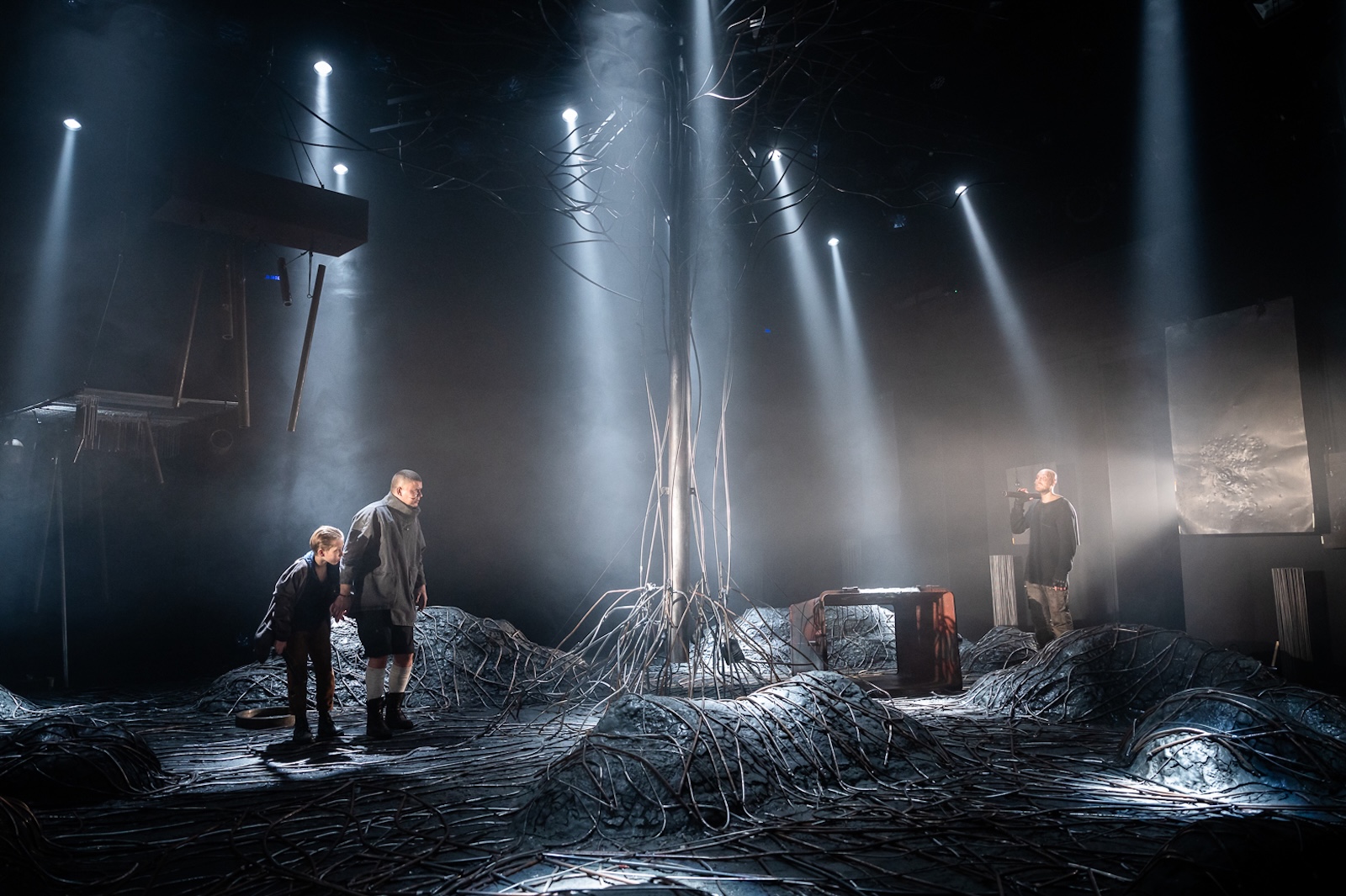
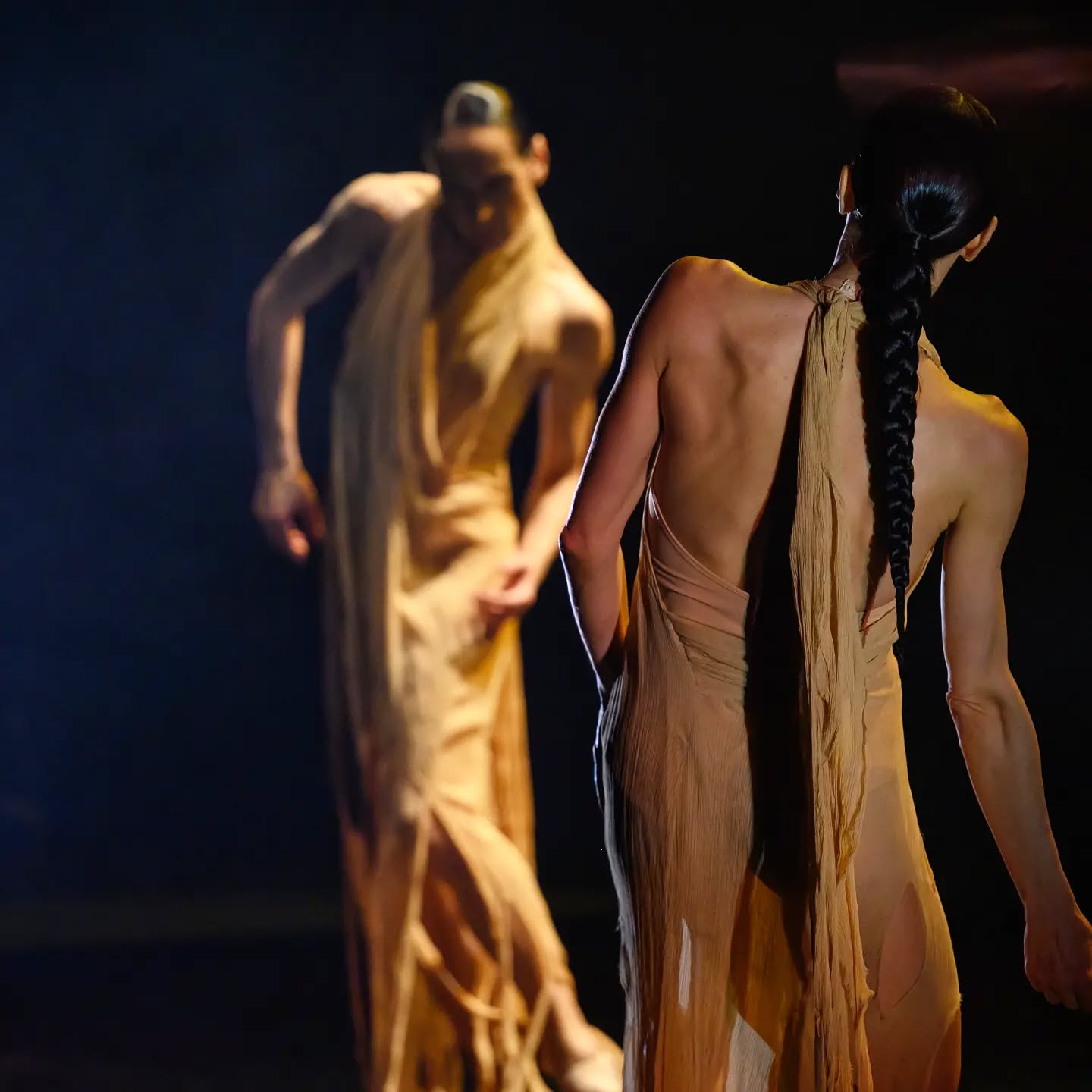
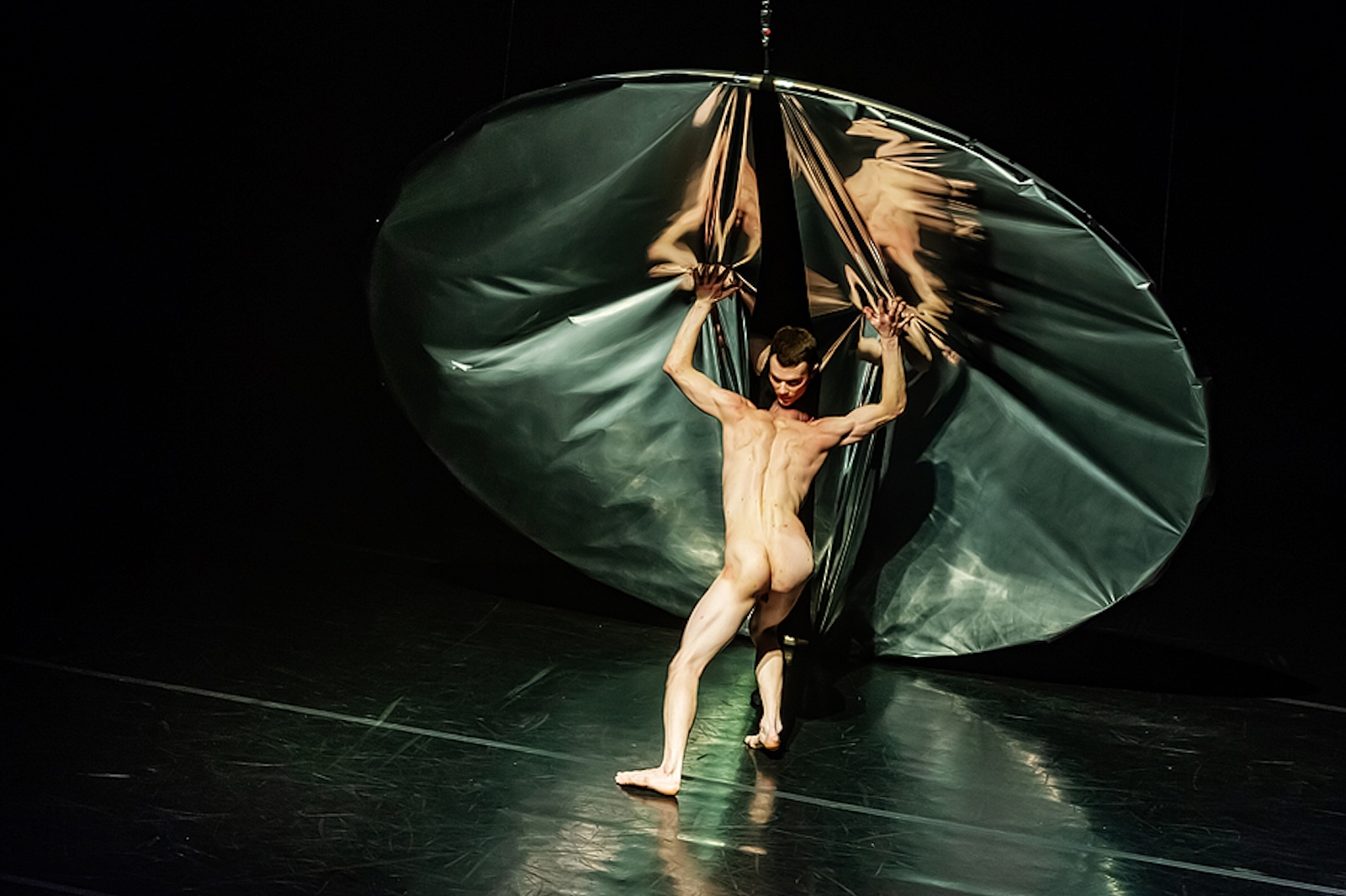
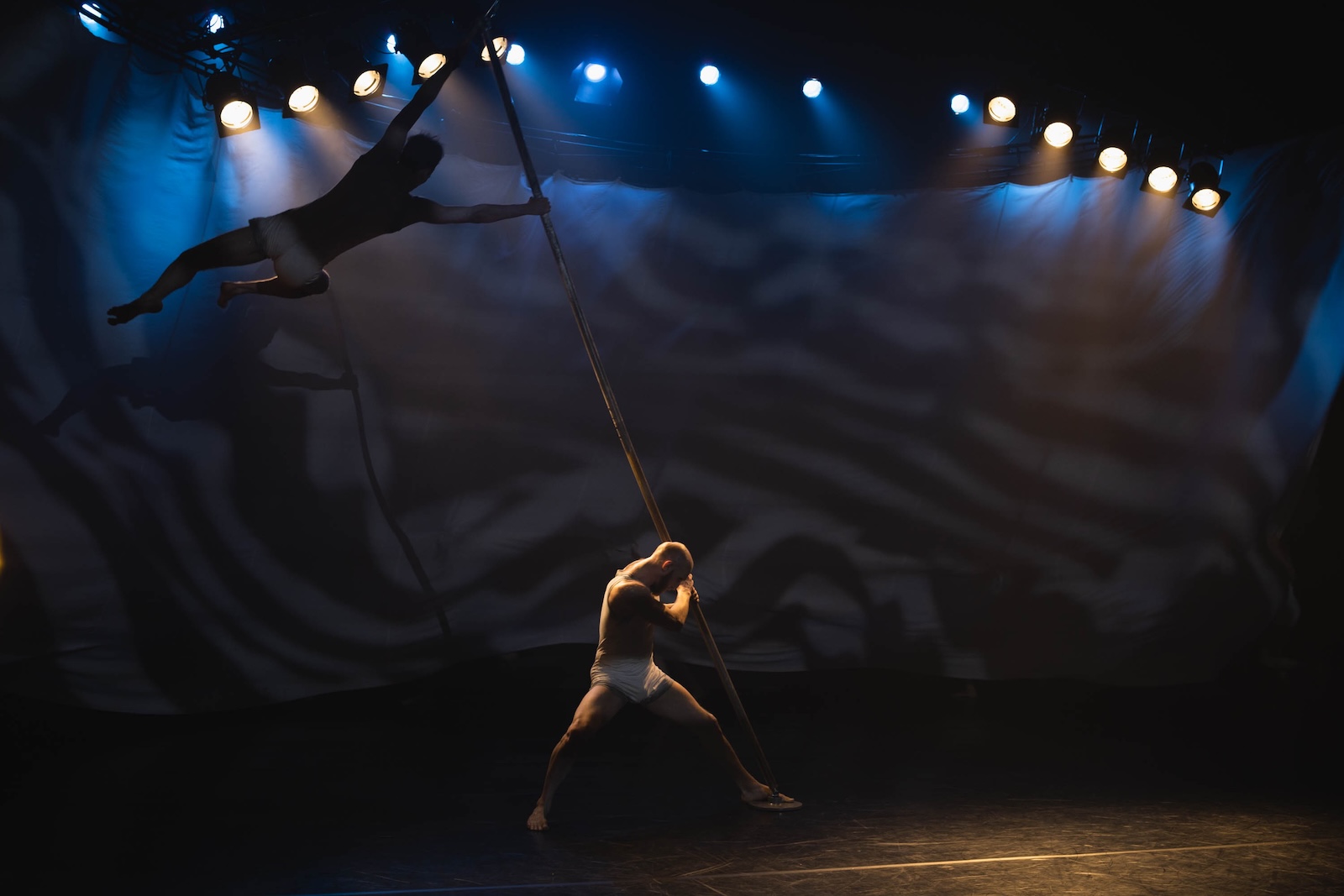
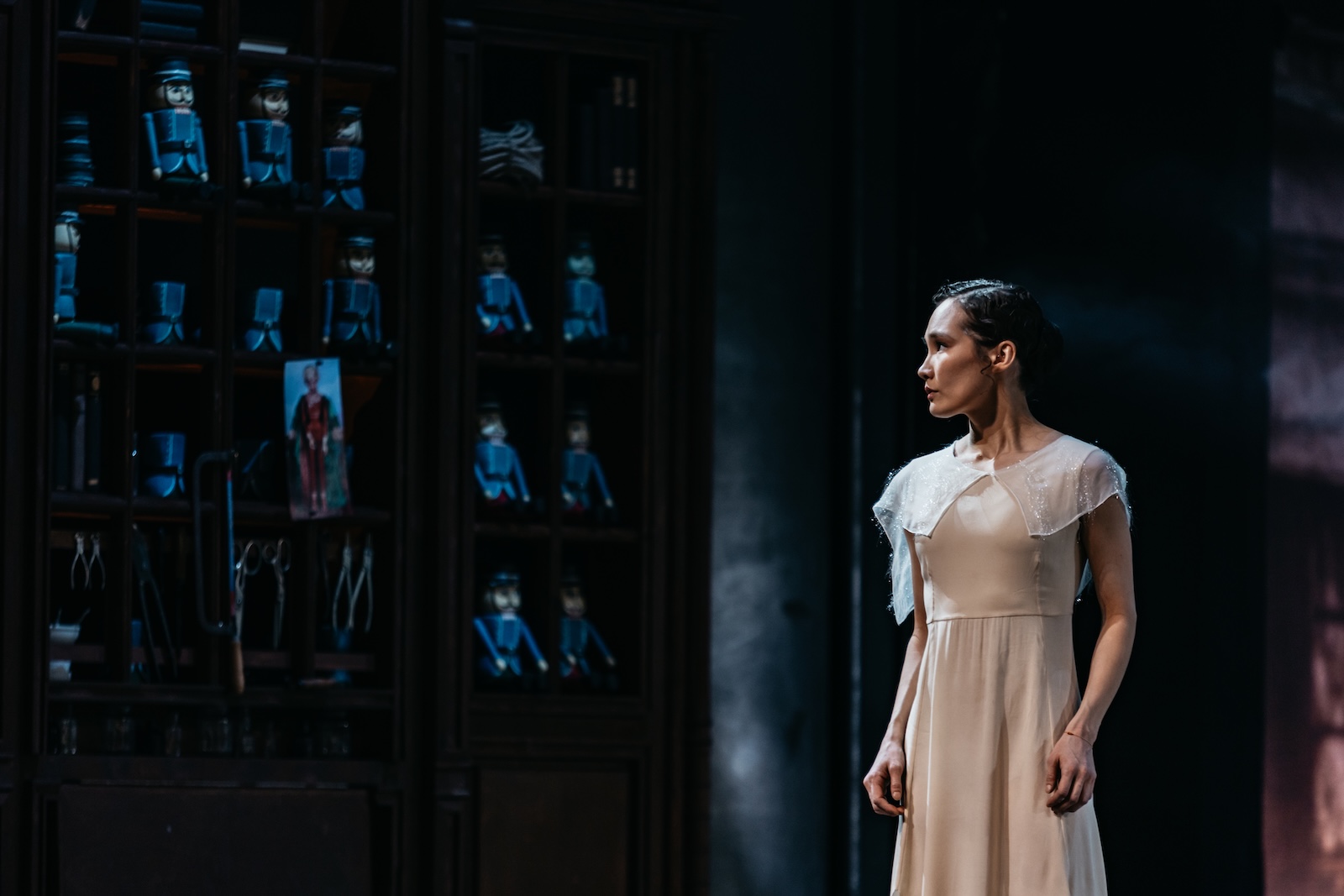
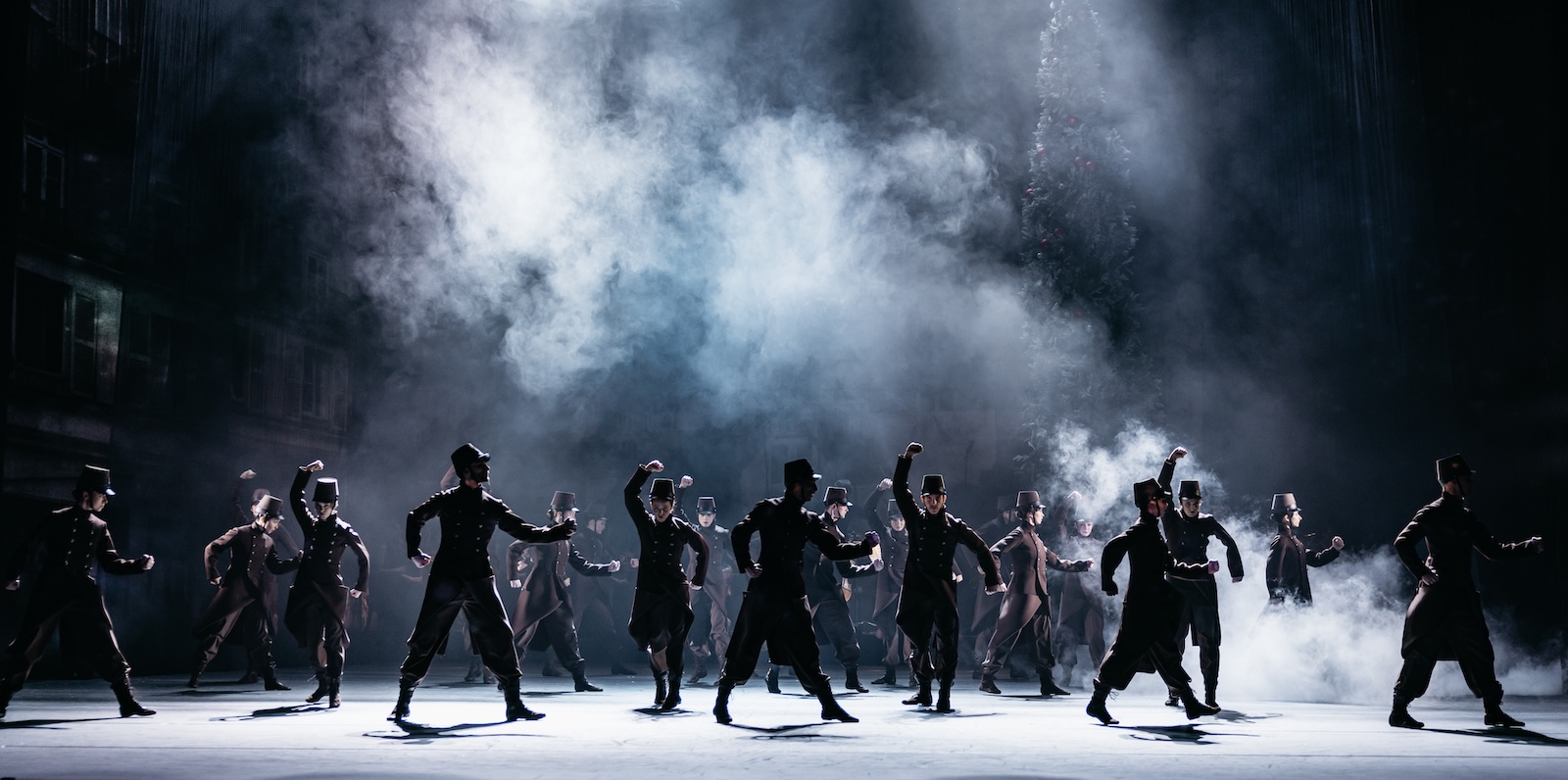
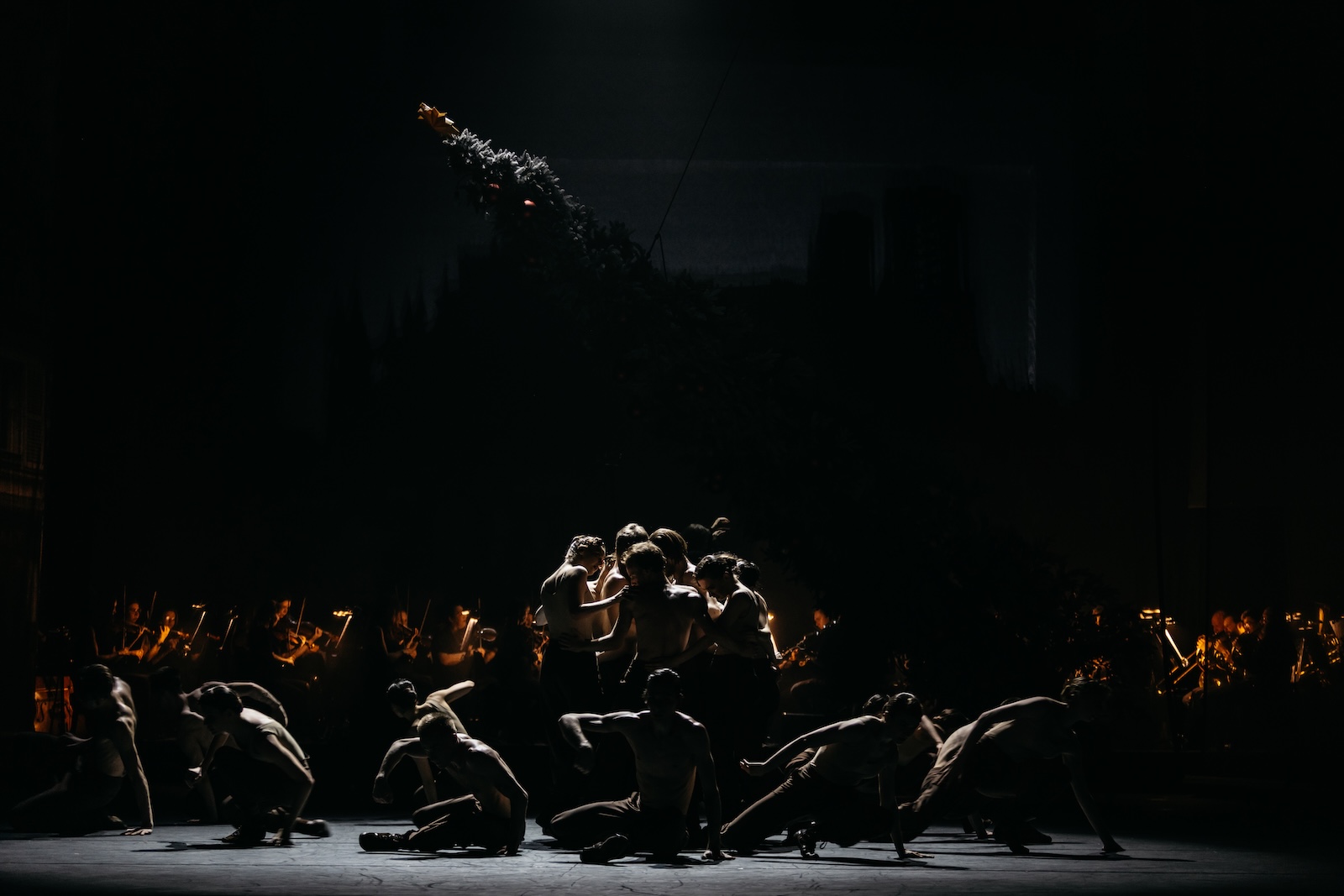
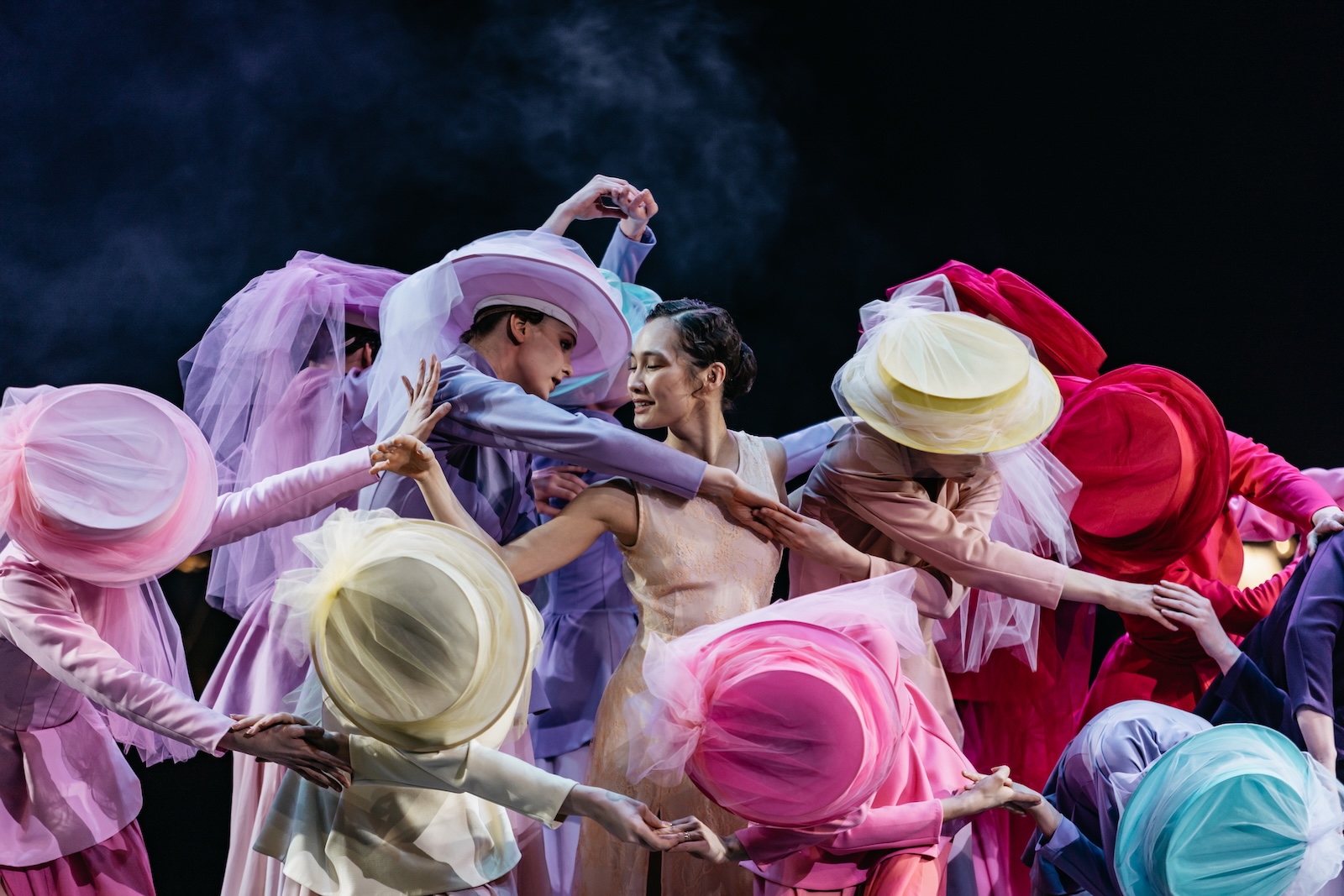
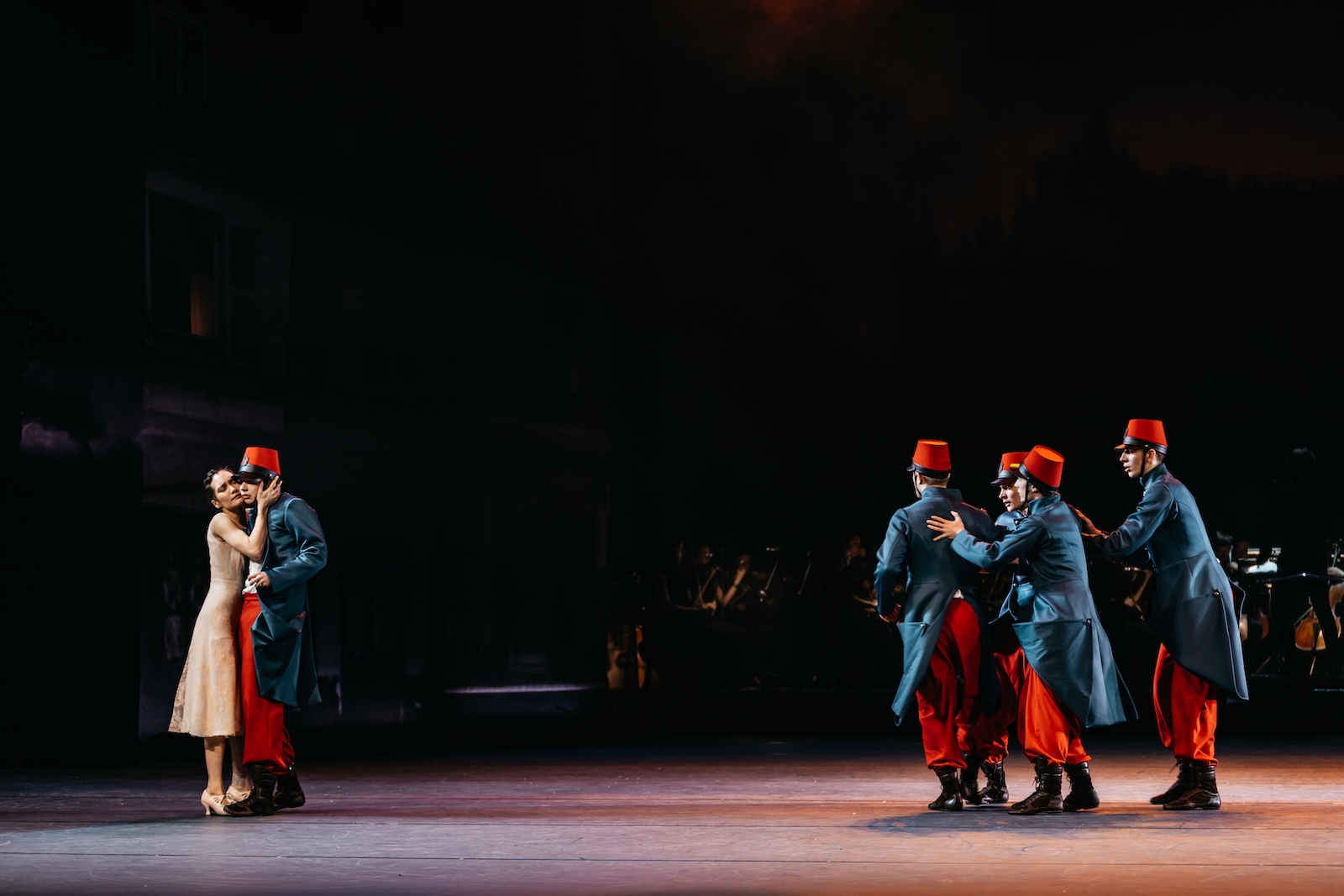
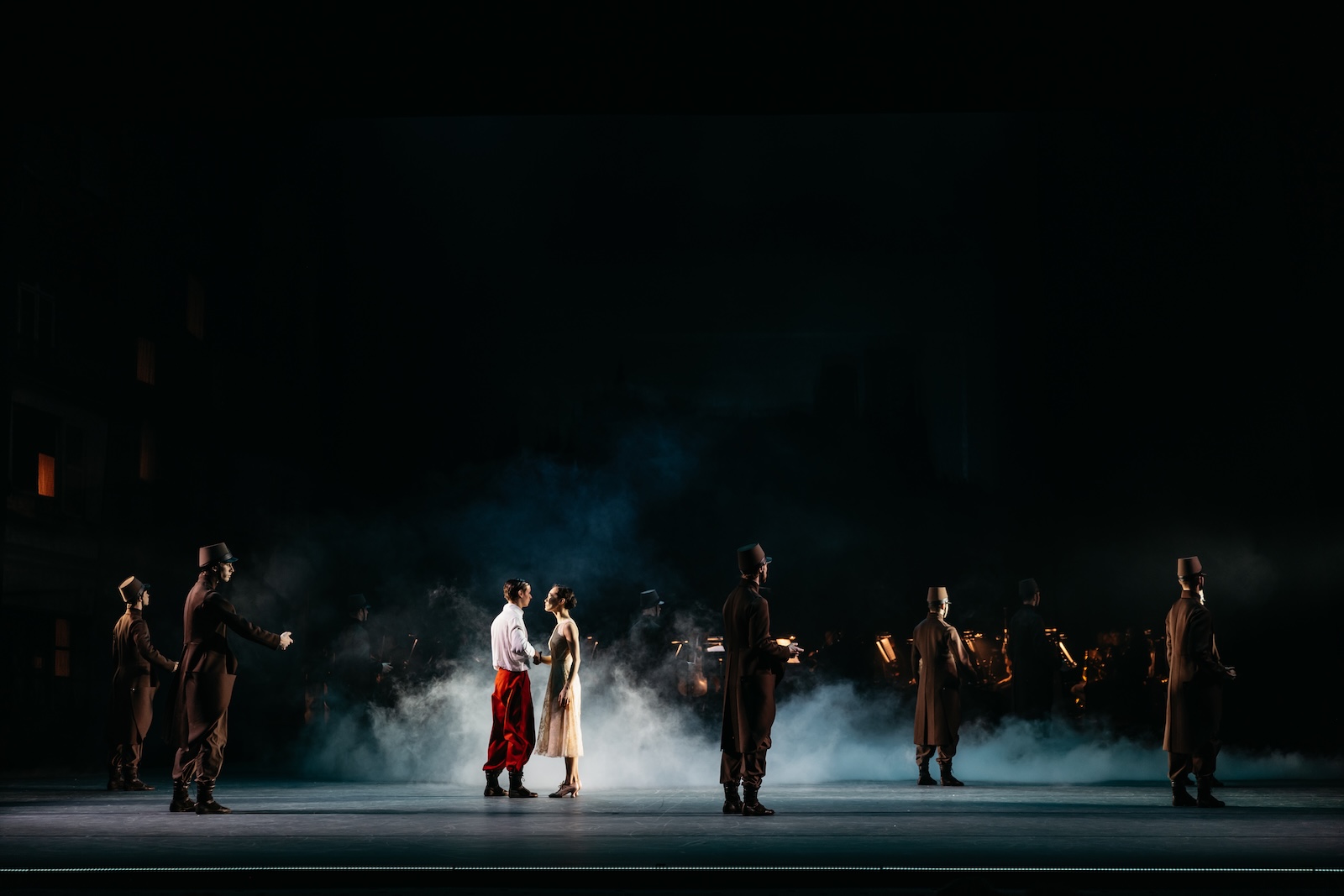
In her production of Macbeth at the Theater of Nations in Moscow today, Elizaveta Bondar dismantles all articulated language, allowing Shakespeare’s characters to scream and roar in their desperation and rage. The “body of protest” has become the central means of resistance in the censored theater space.
Russia inherited from the USSR the urge to make everything as big as possible. The Russian microchip is the largest in the world. That’s a joke, but only half a joke.
What is size, after all? Moscow prefers to invest in a few large institutions rather than support smaller ones. The same thing happened with cultural institutions. In 2011, a district’s kindergartens and schools were consolidated, presumably to reduce administrative costs. This consolidation destroyed individual educational paths and resulted in a loss of independence, identity, and tradition for the schools. Many teachers moved to private schools.
The Moscow healthcare system also merged many smaller facilities to improve the efficiency of medical care and the technological means by which it is delivered. Since then, people have had to wait weeks for specialist appointments and diagnostic tests instead of being able to consult relatively familiar doctors within walking distance.