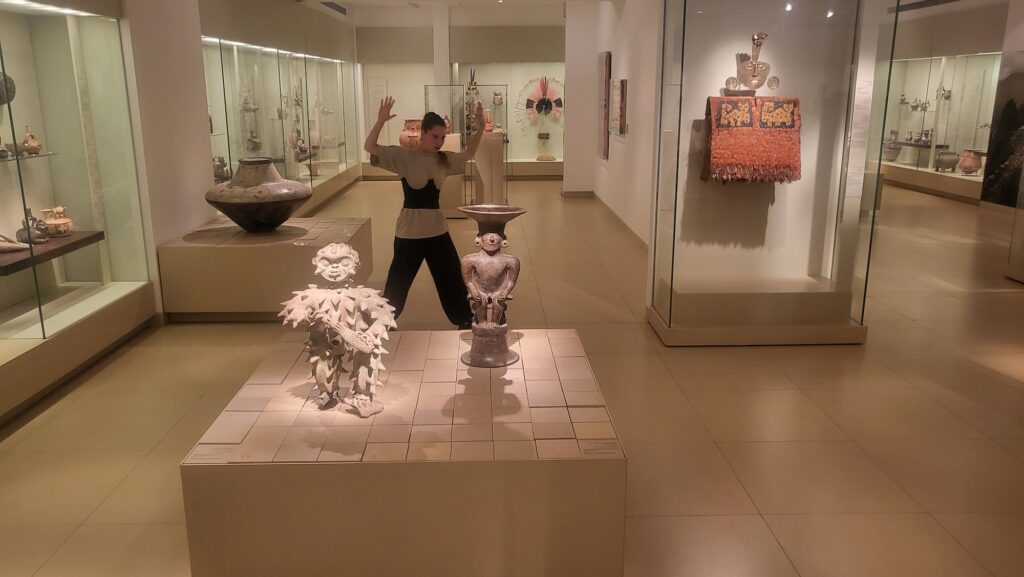
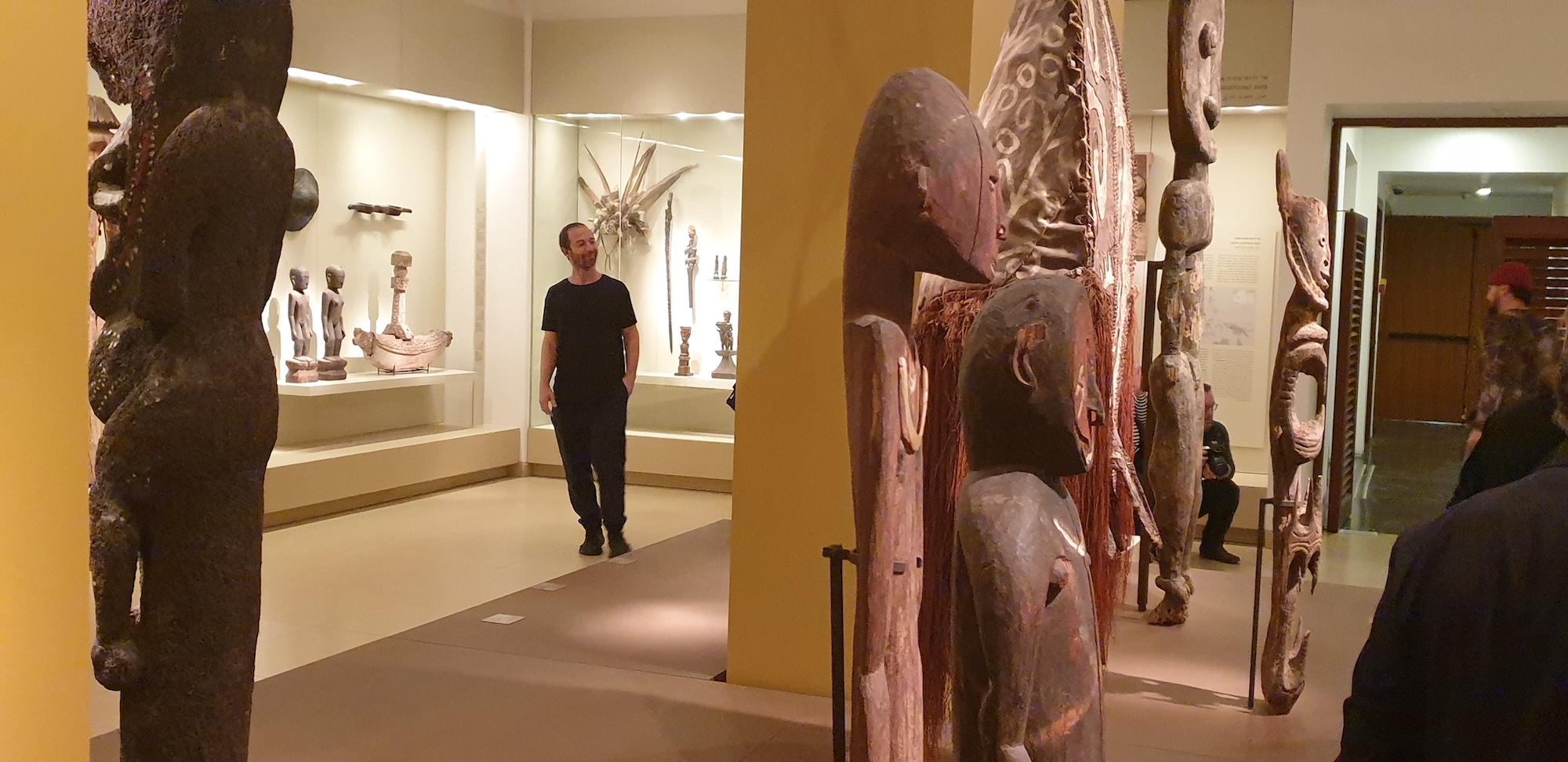
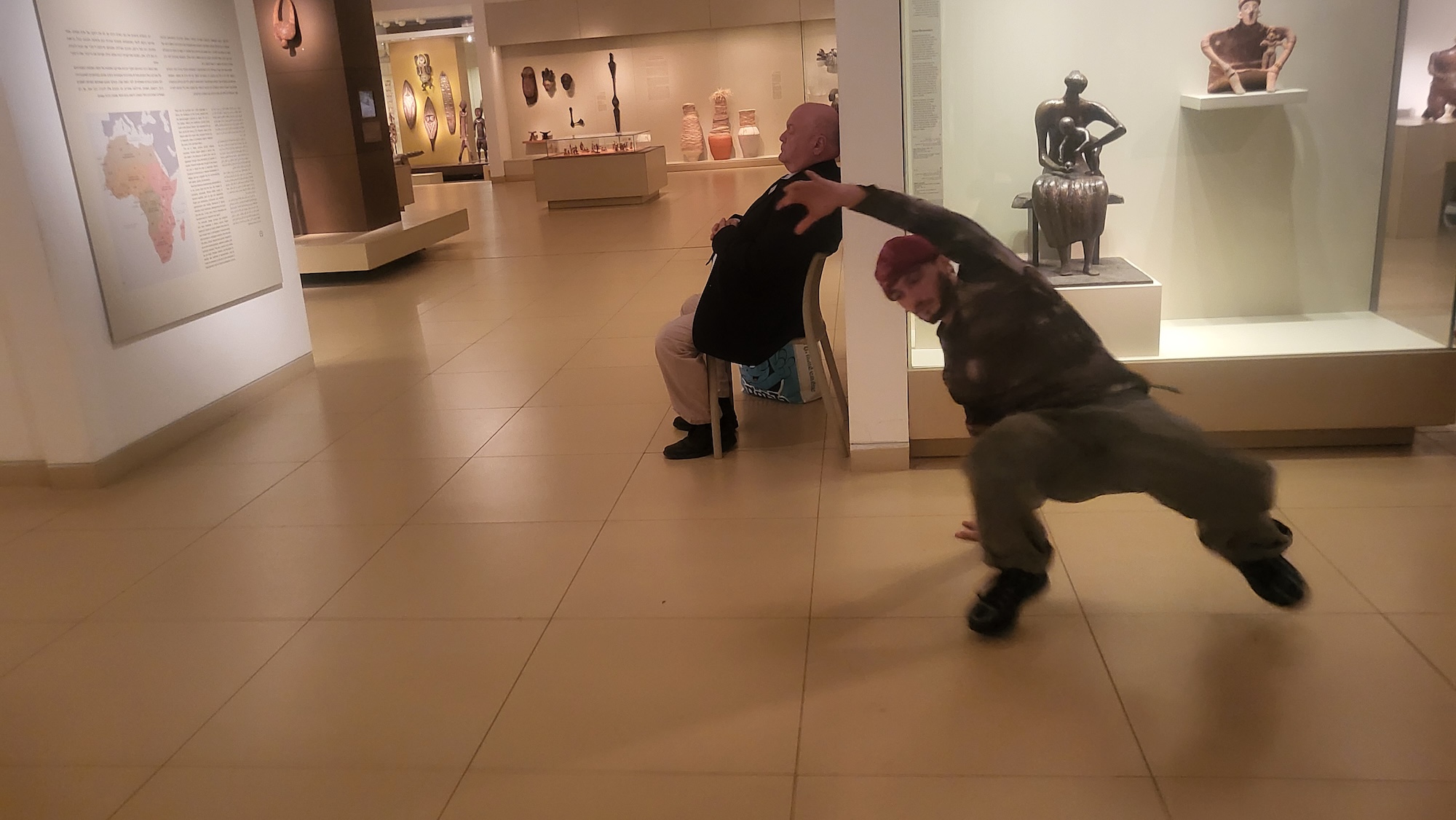
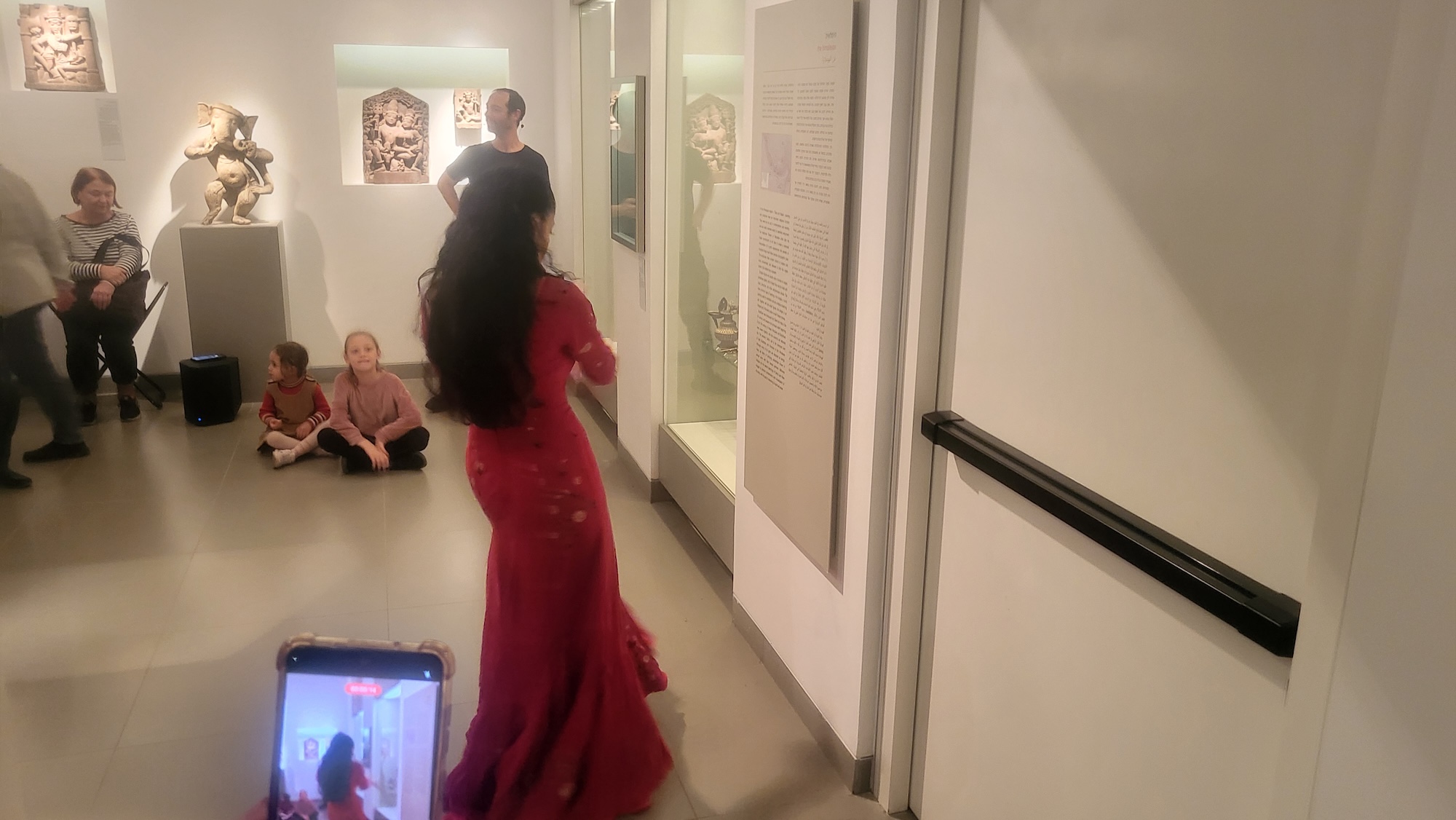
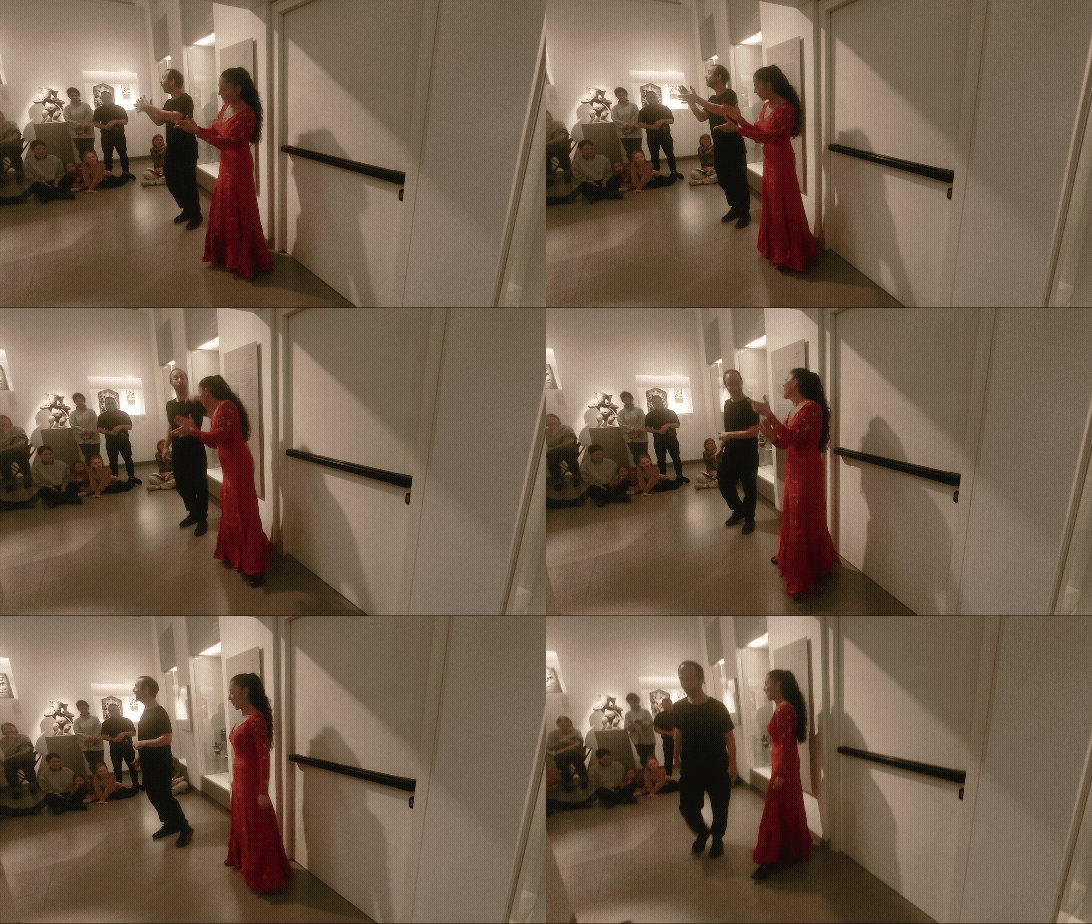
Station 2: The dance of Zionist Settlers at the Jewish Rhythm of Life gallery.
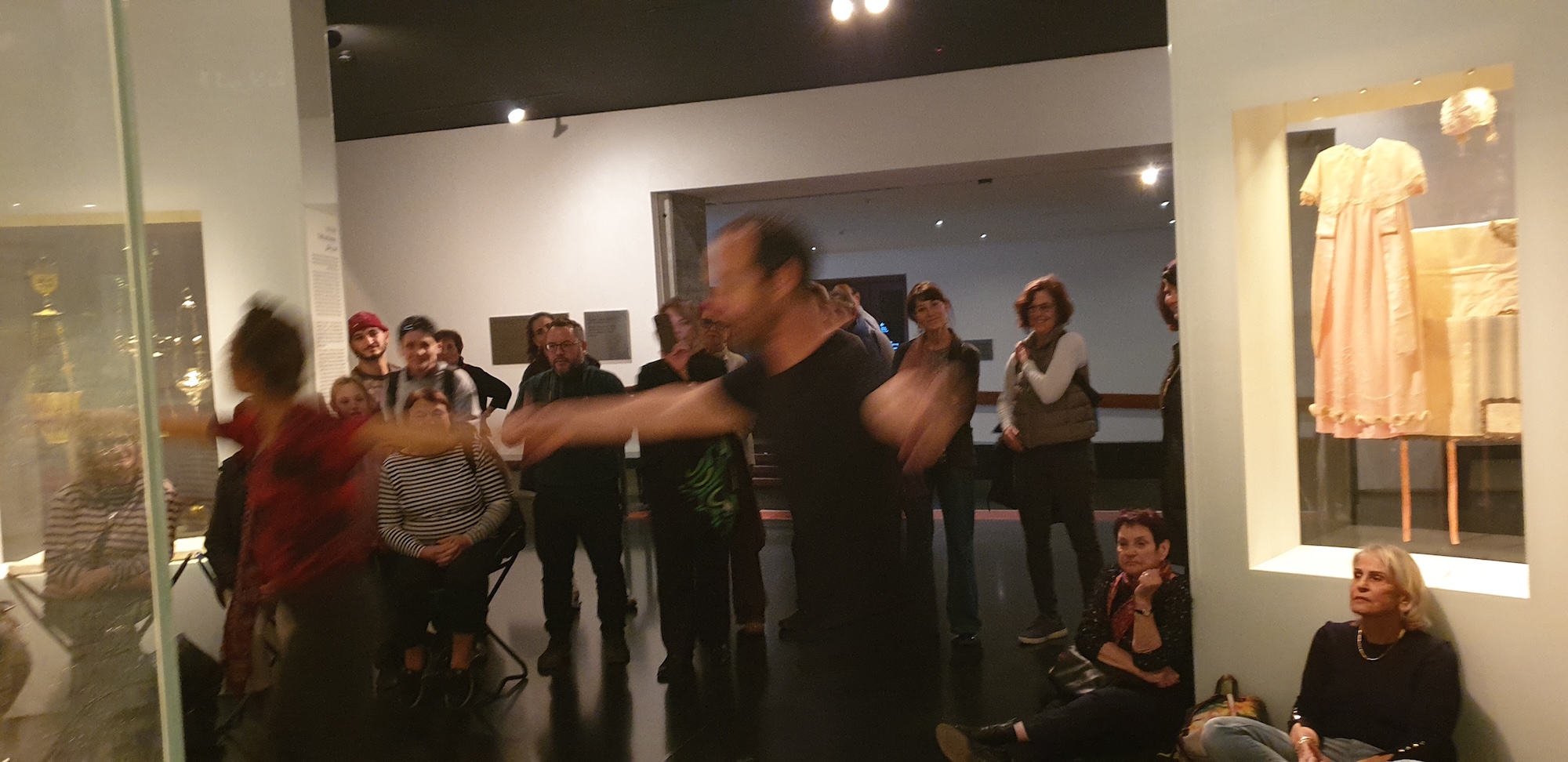
We enter a round gallery displaying clothes and household items from the first settlers of Israel, around 1880, at the beginning of the Zionist movement and during the rise of antisemitism in Europe. The circular gallery symbolizes the cycle of Jewish life: birth, marriage, and death. The Zionist settlers sought unity and identity, including a national dance – a new Israeli dance. They sought cultural symbols, distinct from local Arab symbols, which were deemed “enemy” in the new Zionist landscape. The local Arab dances were out of the question. They rejected European bourgeois dances like the tango or waltz and sought a dance for everyone that would be danced together outdoors, in nature.
They chose the Hora. In the Hora dance circle, everyone is positioned equally from the center. The Hora originated in the Balkans, particularly in Romania. It is a traditional circle dance in which participants hold hands or shoulders and move together in repetitive rhythmic steps. The Hora was brought to Palestine in the early 20th century by Zionist pioneers – many of them from Romania. There, it was adapted and transformed into a symbol of collective identity and egalitarian ideals. The circular formation, with all participants equally distanced from the center, came to embody the communal ethos of the early Zionist movement. We have made the Hora our own – just like hummus, schnitzel, and falafel.
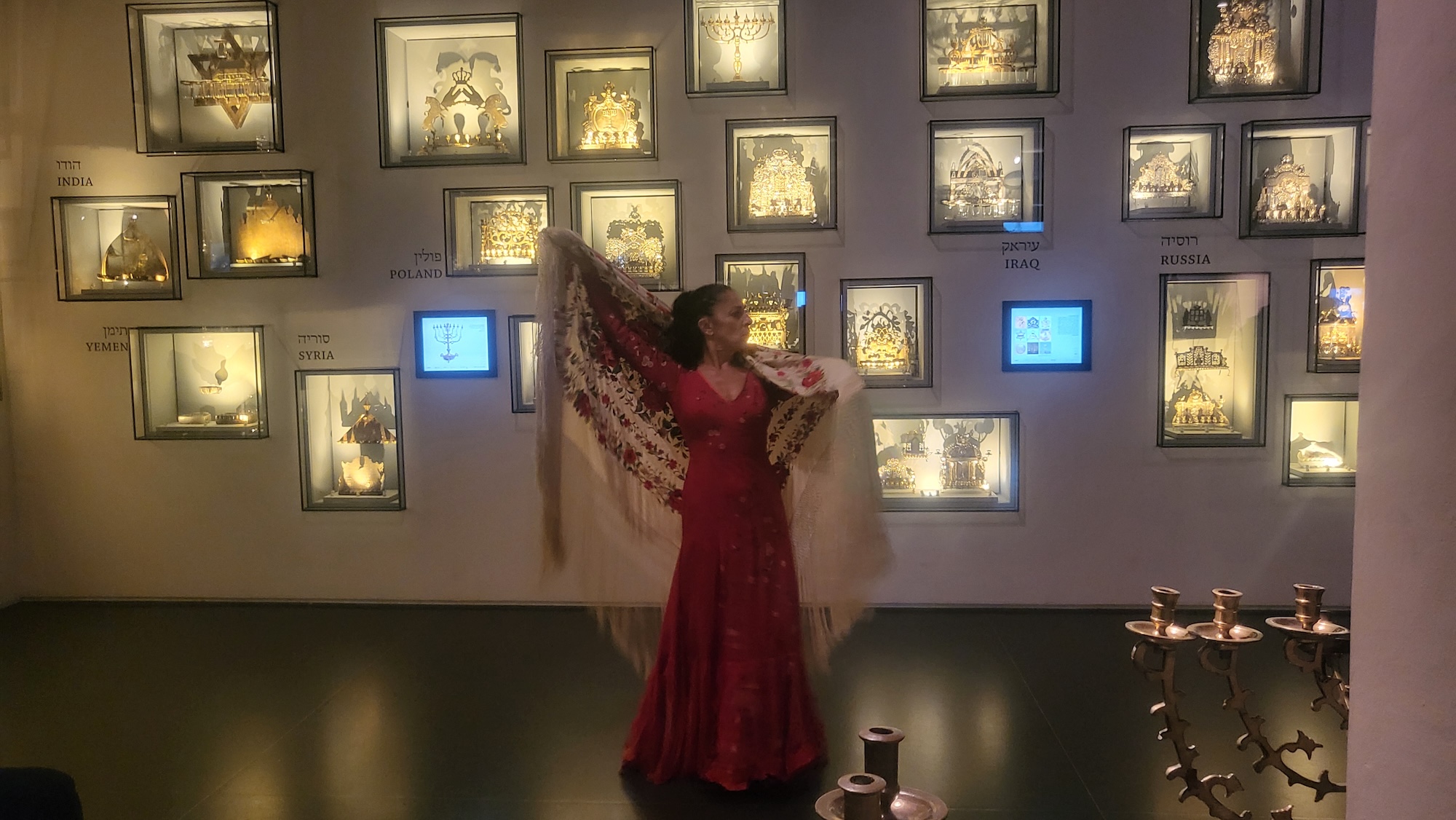
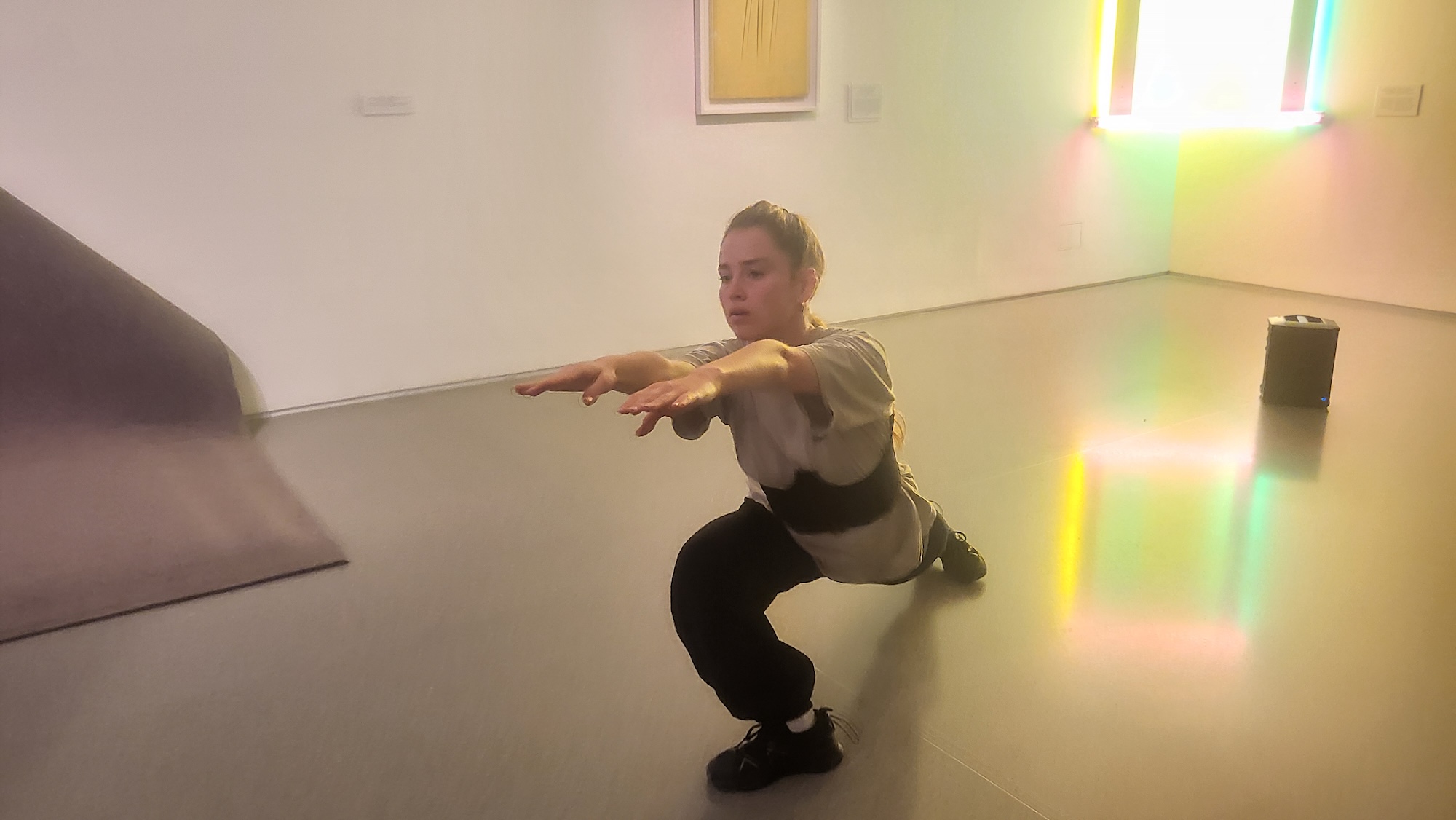
Here in the museum, we dance the Hora with Adi Zlatin, a dancer born in Jerusalem in 1983, who began ballet at six and later danced with various Jerusalem Hora dance companies and with the Batsheva Dance Company. My own grandfather, Yasha (Jabob) Friedman, was born in Romania. The Hora was the queen of folk dance in Israel until the 1970s, inspiring national dance festivals such as that of the Kibbutz Dalia. Schoolchildren learned it nationwide. Other new folk dances emerged as well, including Yemeni and Hasidic dances.
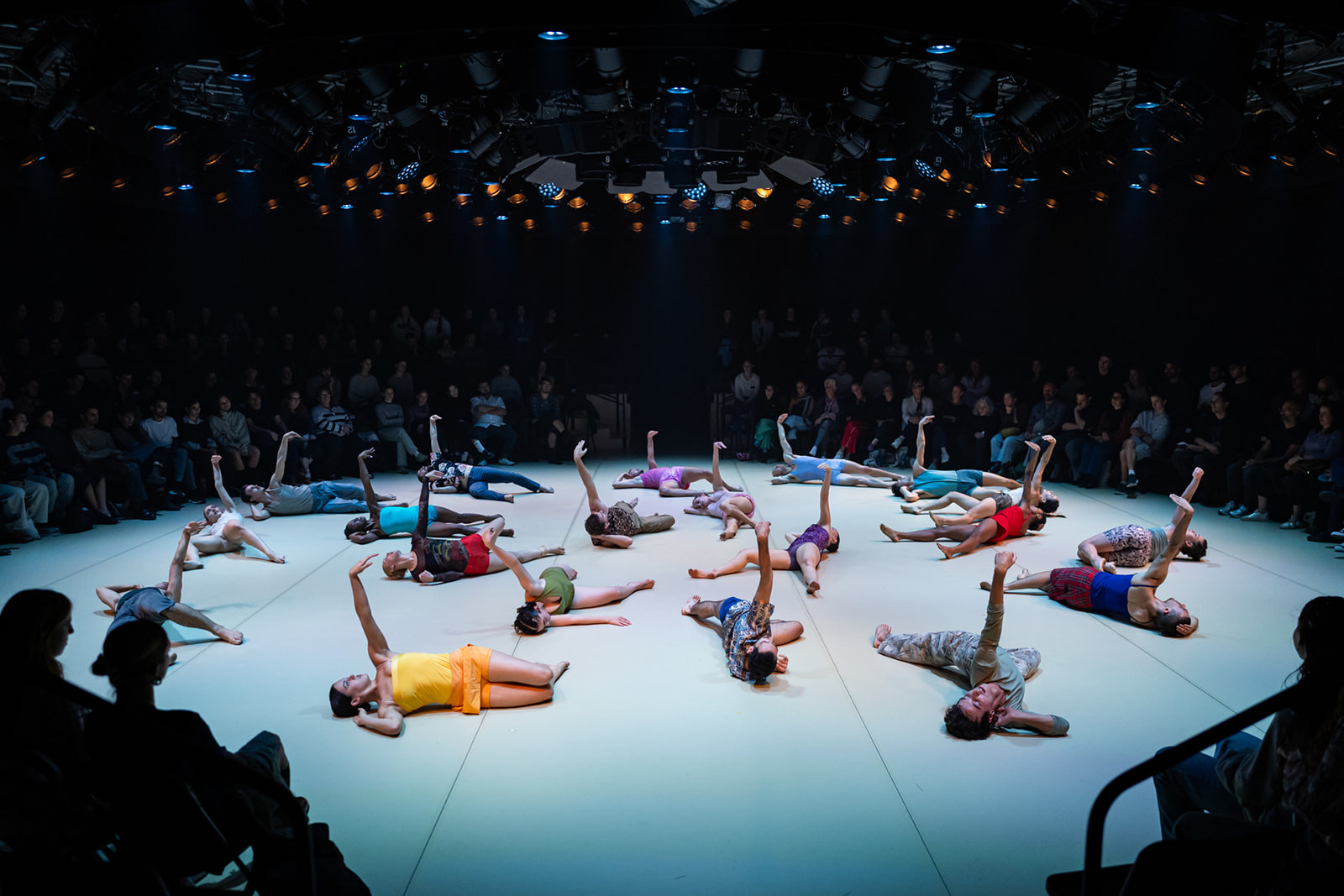
There is no Israel Museum without the collections of the Jewish diaspora, and no Israeli dance without Batsheva, no 60th birthday of the Israel Museum without a Batsheva dancer. For nineteen years, Adi Zlatin was a Batsheva member, where she danced Gaga, the movement language developed by Ohad Naharin. Gaga is now danced worldwide, except in places that boycott Israeli art or products. Gaga is universal, open to all, yet Israeli in origin, like the USB stick or cherry tomato, but not everyone can dance like a Batsheva dancer.
Times have changed. We are now in the 21st century and the Hora has lost its significance. Israeli identity has shifted. Young people have sought different dances. Dance is searching for a home, and home is searching for a dance. The bare feet and sandals of the Hora have been replaced by Adidas or Nike and Hip Hop; the Hora is no longer “cool.”
Hip-hop, on the other hand, is. So follow me – this way to America.