Who is the Mouse King?

Dancing Trees, Finally Without a Christmas Theme

Ira Polyarnaya

Very little comes out of Moscow that isn’t immediately suspect: Is it truth or propaganda? We asked Arsen Muranov, our colleague there, and received a compelling report in which he describes Russia’s regime through a world-famous phenomenon: The Nutcracker.

Arsen Muranov

The mindset of those Russians who remain in the country bears no comparison to that of their compatriots who have managed to make the leap abroad. Those who stayed behind are not residents; they are the subjects of centralism, subjects of the Mouse King from The Nutcracker. What is happening in Moscow right now is a game of cat and mouse, culture against censorship. Yet it was only ten years ago that the authorities realized how all their stages serve as sites of resistance.

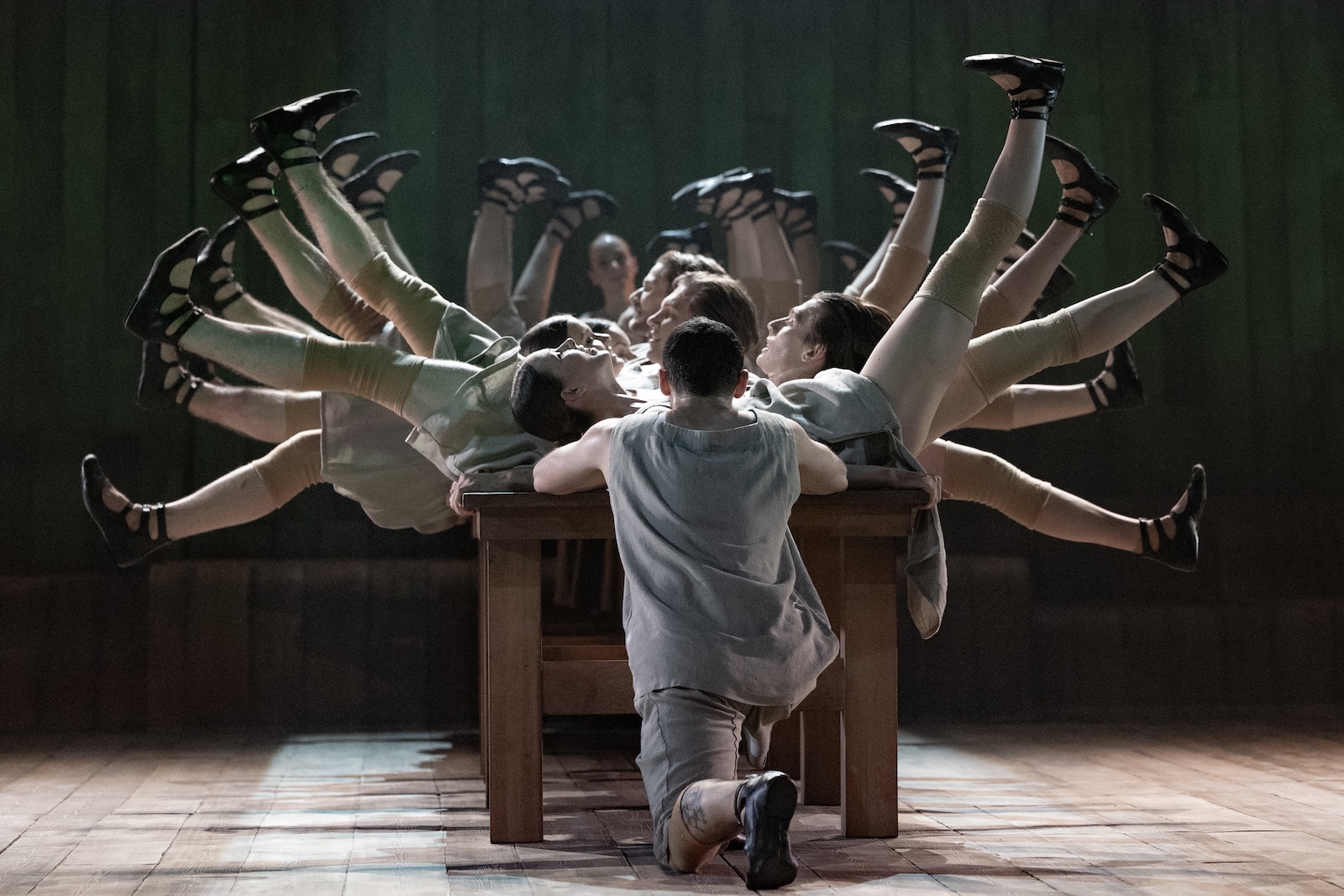
“Les Noces” in Pavel Glukhov’s version

Ekaterina Khristova

Since then, the opera has dropped such outstanding directors as Timofey Kulyabin, while in theater, Elizaveta Bondar pared down her Macbeth to the very last word. At the moment, it is primarily dance artists who remain, using their space for a “body of protest,” led by Pavel Glukhov of Ballet Moscow.

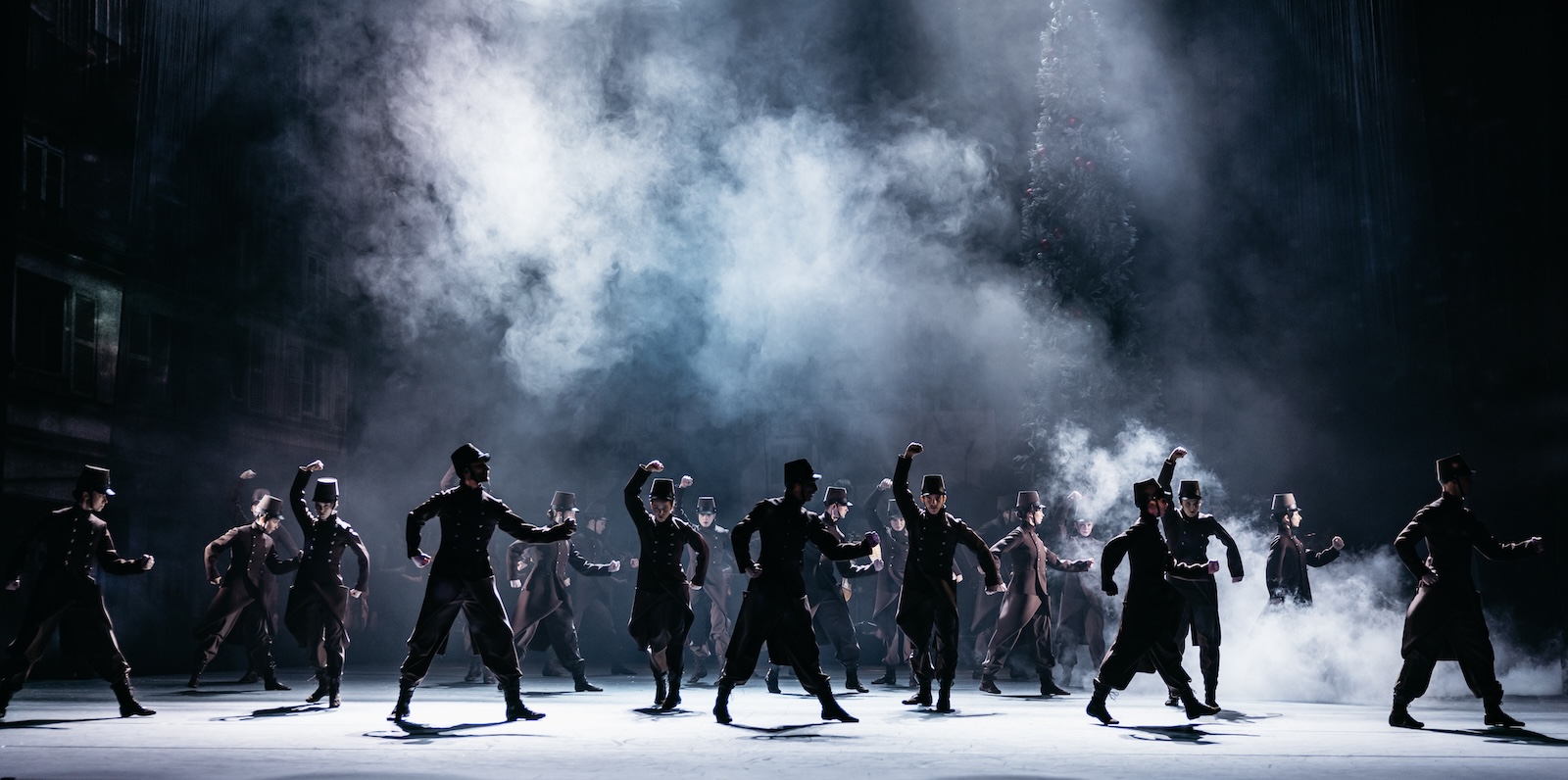
On the anniversary of the invasion of Ukraine—which, of course, is called something entirely different in Russia, namely “Defender of the Fatherland Day,” and is observed a day earlier—Pavel Glukhov is betting on his Nutcracker—that iconic winter ballet. His take on this classic speaks volumes about this regime. Glukhov’s interpretation is making history. From today onward, no one can turn back from his reading of this dance fairy tale.

Read on …

The Sound of Silence

3,39
For this amount, you’ll have ongoing access to this report

Silence has fallen over Russia. No matter what you say—whether you support or oppose the current government—it can be used against you. Under these circumstances, miracles occur, such as the works of choreographer Pavel Glukhov.

… or as a lover read for free