The art of founding a dance center (with no money)

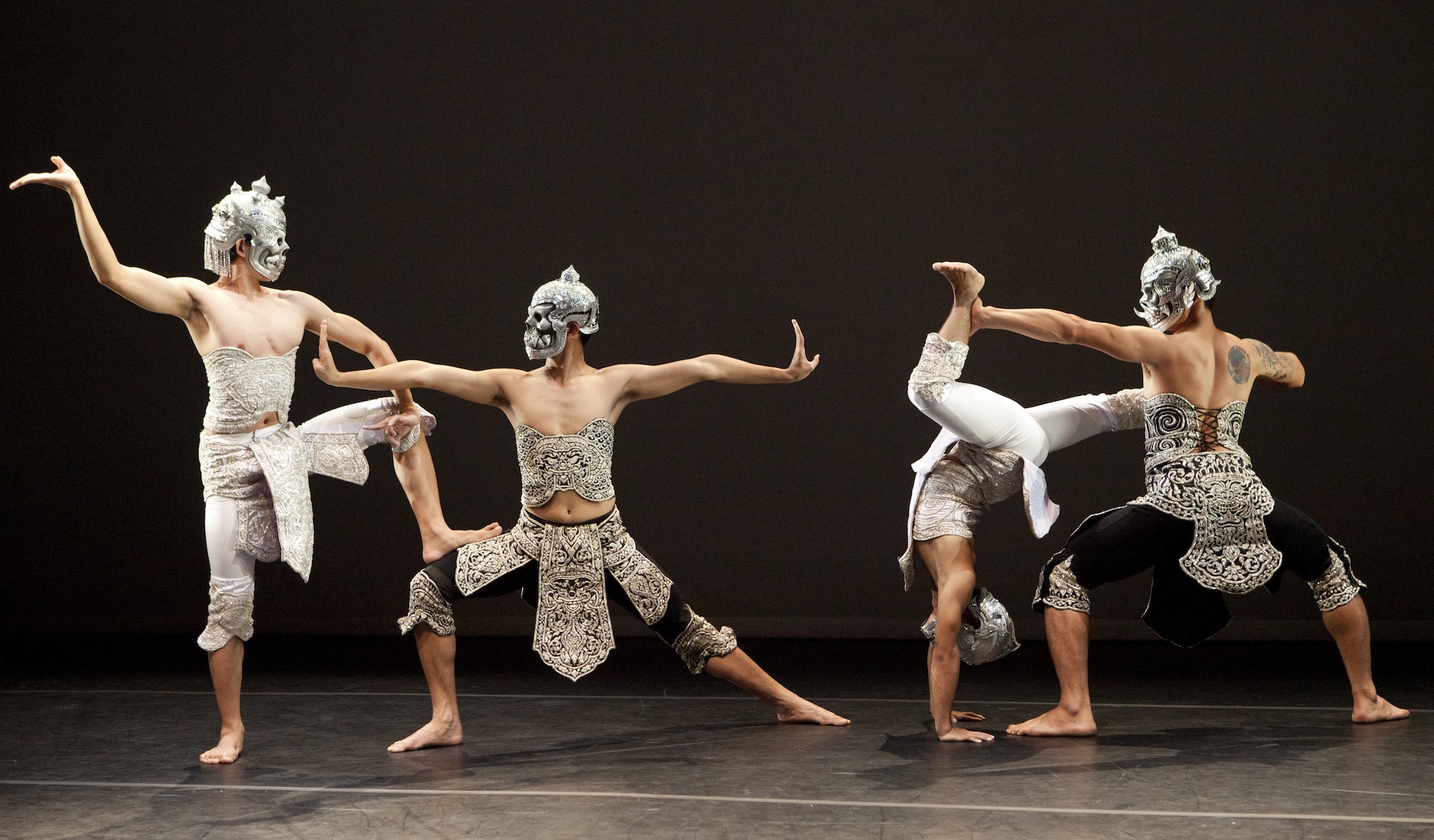
"Dancing with Death" by Pichet Klunchun

Nattapol Meechart

Fifty years ago, dance was all the rage. It emerged as the friendly alternative to greed and the accumulation of wealth. It was chic to focus on the body rather than material things. The self was to become greater than one’s bank balance.

Arnd Wesemann
Arnd Wesemann
Dance journalist

Thus, the first dance production house, The Place, was founded in England fifty years ago. France also established its significant Centre National de la Danse in two locations, Paris and Lyon, around this time. People were enthusiastic about the pleasure of the body as an alternative to mere possessions. Independent dance groups sprang up like mushrooms. The fitness craze and ballet schools were redefined. This enthusiasm for the body stemmed from a belief in our own malleability through yoga, alternative healing methods, and biomedicine, which invented cloning.

Then began the triumph of the virtual: the desire to immerse oneself in electronic dungeons and first-person shooters, and to be swept away into infinite spaces of possibility. The AI in the computer’s black box took over the role of the body. For dance, all that remained on its black stage was rebellion. The hype that had once surrounded it seemed to have dissipated.

Would a dance house be a utopian place? A workshop at the Bangkok Art Hall

Absalom

But a new trend is now emerging in major Asian cities. Following the widespread adoption of Western dance art and the ubiquity of digital surveillance, the concept of the dance house is being revived in a completely new light. Bangkok has just created a model for this revival in the form of the National Choreographic Center Thailand. Unlike fifty years ago, it requires neither real estate nor administration. What’s more, the National Choreographic Center Thailand is virtually cost-neutral, representing a crossover of rebellion and intelligent art—and a logical solution for all artists who fail to gain public support, as the public would certainly take no pride in a dance house at this time.

Of course, this dance house is just as necessary as an opera house, a philharmonic hall, or a theater. But these expensive buildings are relics from the 19th century that no one in Asia even remembers anymore. In response to the here and now, a new form of dance house has thus emerged, and it is strongly recommended for emulation.

Read on …

The National Choreographic Center Thailand

3,38
For this amount, you’ll have ongoing access to this report

Establishing a dance institution requires a lot of money and support. Since both are rather rare in the world of dance, two Thai choreographers, Jitti Chompee and Pichet Klunchun, came up with a better solution.

… or as a lover read for free