Sanctions in Paradise

The Cuban flag flying over El Morro Fortress at sunset, Havana, Cuba

How Culture Fights Back in Cuba

Dirk Fuhrig
Dirk Fuhrig

It’s because of the sanctions. One country halts all exports to another. What happens then? Culture, of all things, ends up being sold as the ultimate luxury good. Even if tourism still existed, attending a dance revue or a show in Cuba would cost locals half their monthly income. This illustrates not only why art urgently needs support to remain accessible, but – and perhaps more importantly, also the consequences of inaccessibility. When people no longer have access to education, art, dance, or literature, as is the case in Cuba, the young and especially the talented emigrate. This doesn’t happen voluntarily; it’s a consequence of the sanctions. Just as it is elsewhere.

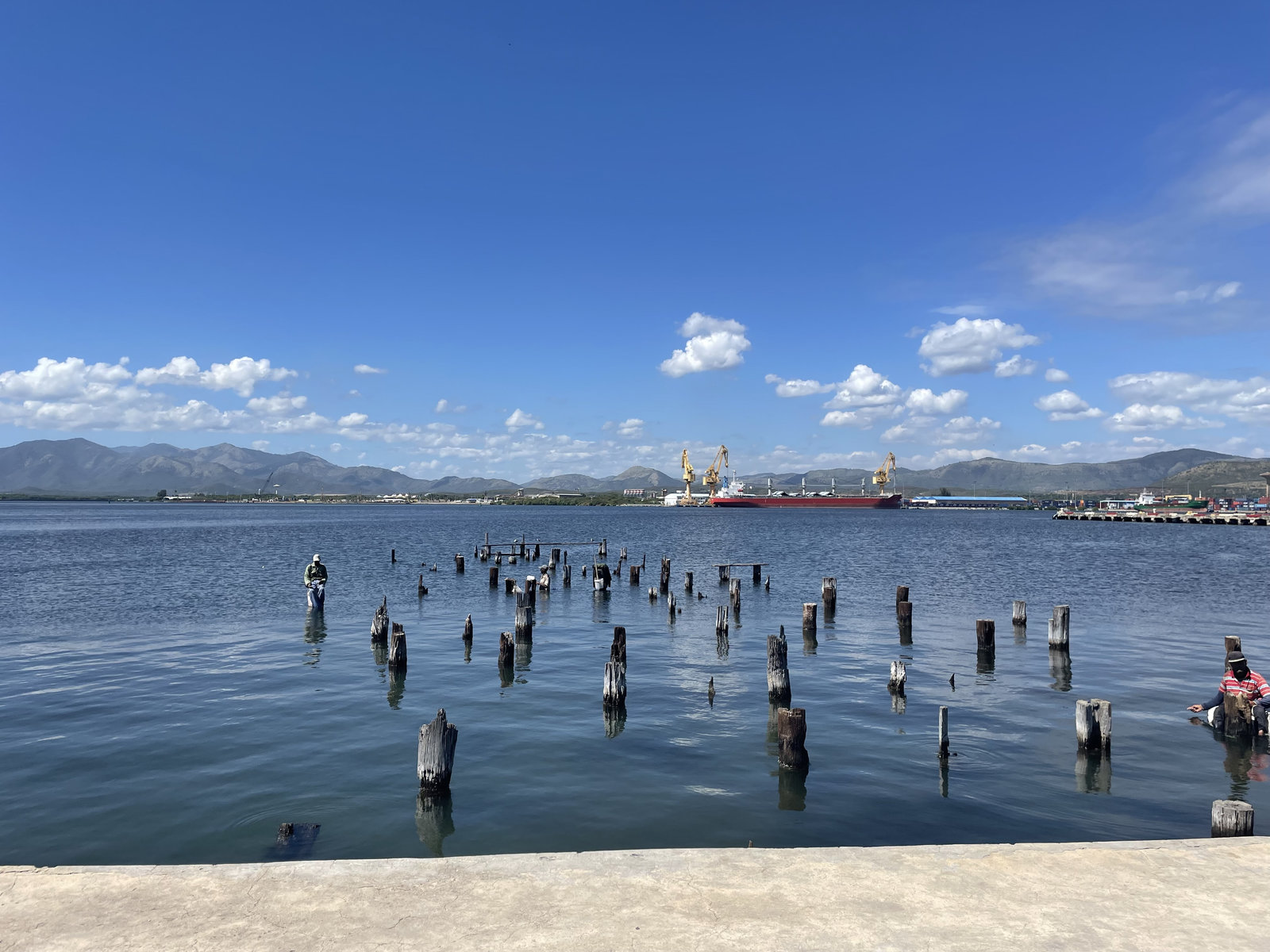
The Port of Havana

Annesusanne Fackler

Amid ongoing power outages, water shortages, and food scarcity in Cuba, it is becoming increasingly clear that there’s no time left for culture. Simply coping with daily life is an endless struggle. A song, a dance, or a poem becomes a longing. This kind of deprivation can’t be photographed or made visible. No one in this country talks about their own suffering. No one acts like a victim. People save themselves through resilience; they resist the hardship.

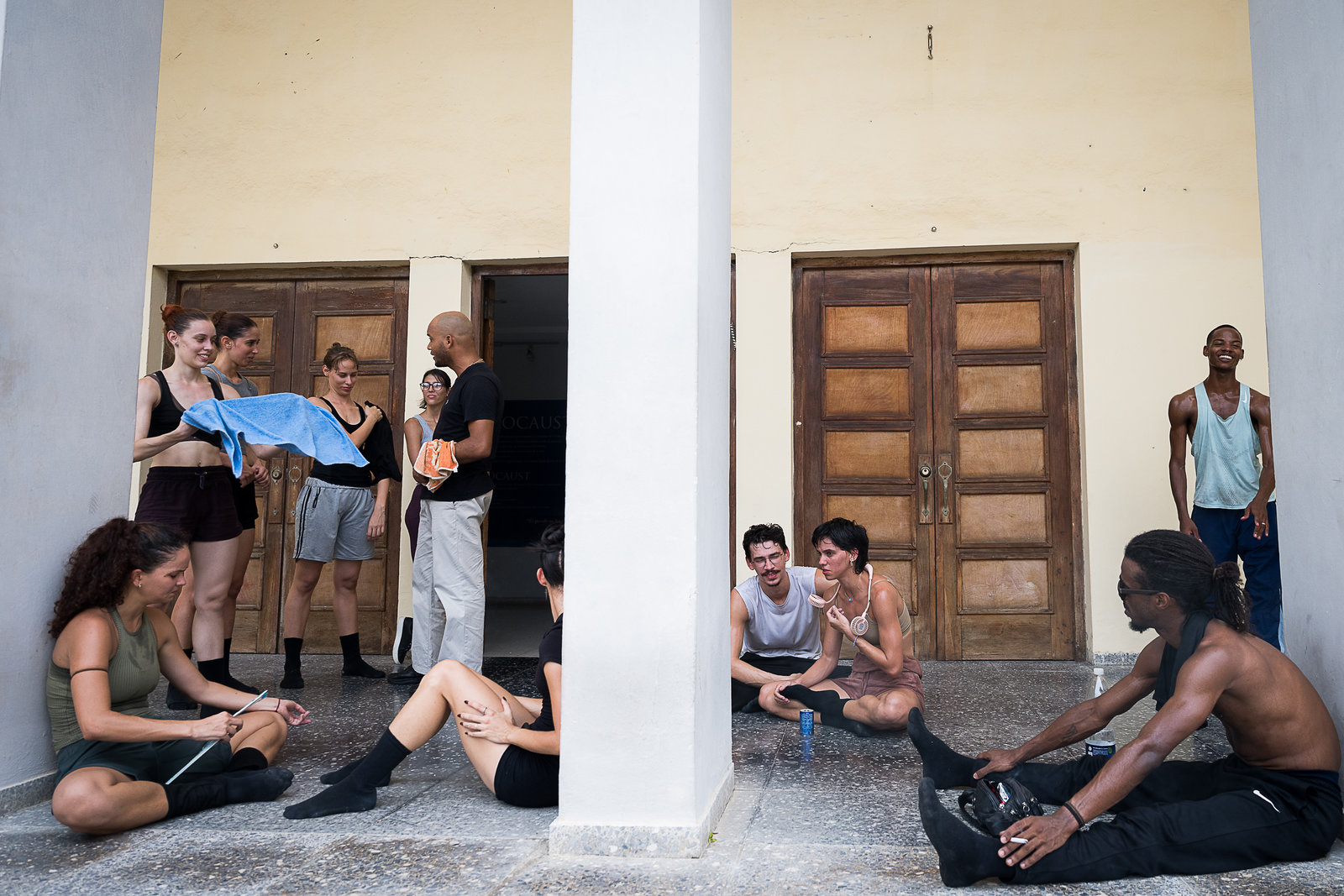
The Malpaso Dance Company in front of their rehearsal space

Christopher Duggan

The birth of culture from hardship is the story of the Malpaso Dance Company. Despite, or perhaps because of, the rigorous sanctions imposed by the U.S. administration, the company is managing to make friends internationally. Somewhat paradoxically, it’s mainly wealthy American families who are reaching into their wallets to help. They seem to understand that culture is born of deep necessity.

The birth of culture from hardship is the story of the Malpaso Dance Company. Despite, or perhaps because of, the rigorous sanctions imposed by the U.S. administration, the company is managing to make friends internationally. Somewhat paradoxically, it’s mainly wealthy American families who are reaching into their wallets to help. They seem to understand that culture is born of deep necessity.

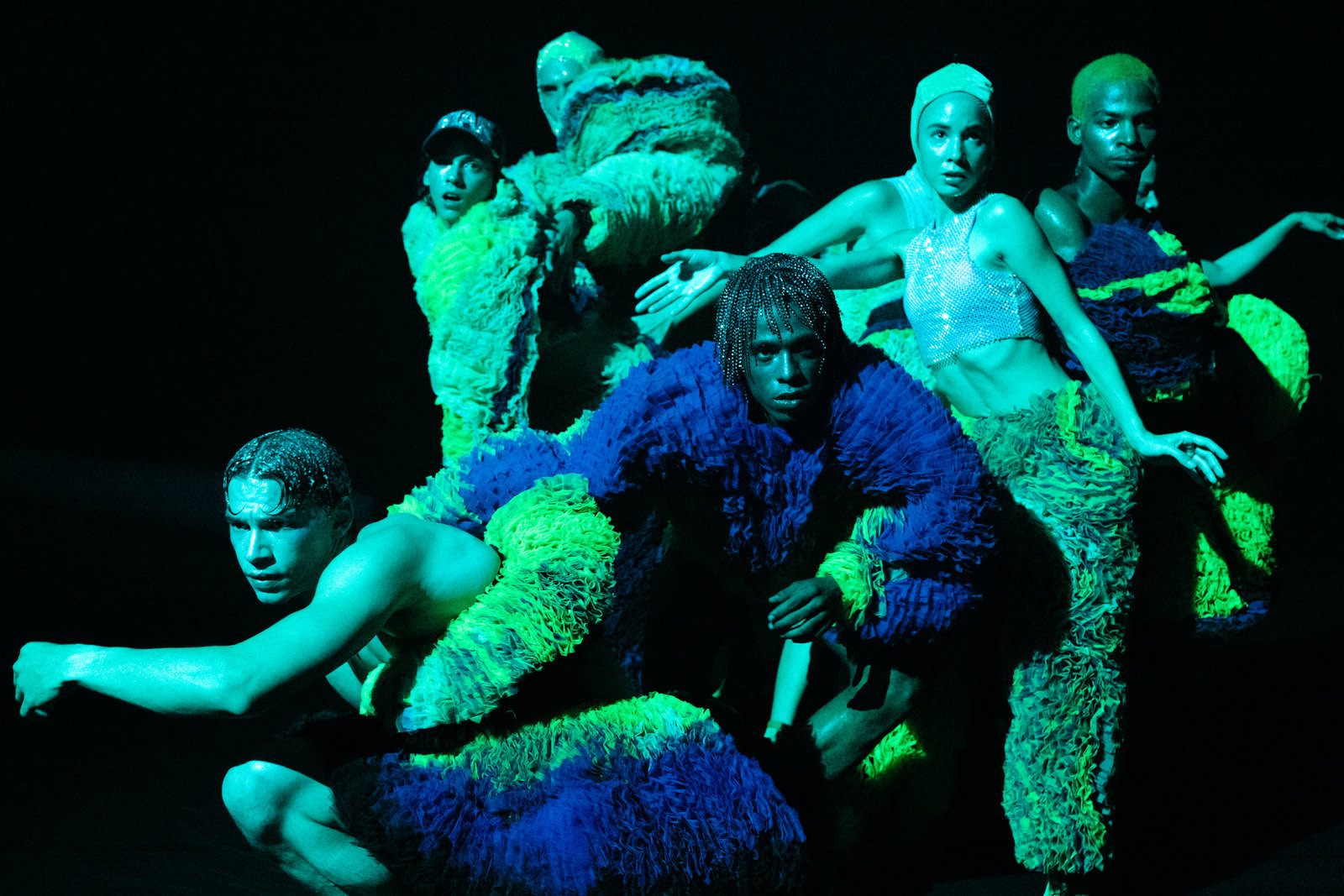
Conversing with Fernando Saéz, founder of the Malpaso Dance Company from Havana, Cuba, is a great pleasure. Without having to say it outright, he reminds us that hardship cannot be the subject of culture. On the contrary, culture enables people to make their bodies sing, seduces them into dancing, and grants them the very capacity a body in hardship needs most urgently: the ability to rise above our own suffering.

Todd Rosenberg

For understandable reasons, Dirk Fuhrig could not produce this report in Cuba. And yet it draws you in immediately.

Read on …

Trapicana

3,46
For this amount, you’ll have ongoing access to this report

Malpaso is the name of Cuba’s dance company, which translates to “false step” or — in the moral sense — a “misstep.” Free of government support, it travels the world as an ambassador for a culture that could do all too well without Latin flair and real poverty.

… or as a lover read for free